

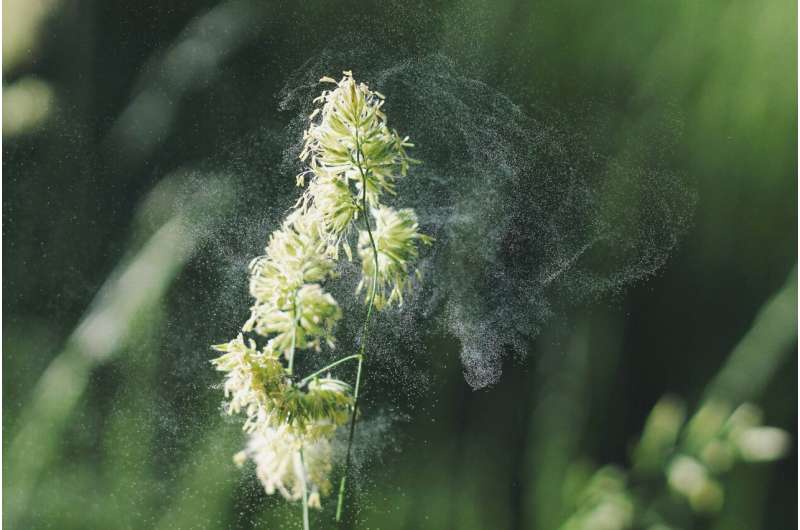
A review published in The Laryngoscope indicates that climate change’s effects on pollen seasons and concentrations are contributing to increasing rates of allergic rhinitis, or hay fever.
When investigators assessed research published between 2000 and 2023, they identified 30 studies that reported on the current epidemiological state of allergic rhinitis, described factors related to climate change, and observed how global warming is affecting pollen seasons and allergy symptoms.
Sixteen studies reported longer pollen seasons and/or higher pollen concentrations related to climate change. As an example, total pollen emissions in the U.S. are projected to increase by 16–40% by the end of the century and pollen season length to increase by 19 days.
Four studies reported an increase in allergic rhinitis–related health care usage, particularly among low-income residents. Two studies reported that health care professionals want more education on climate change.
“Physicians are uniquely positioned to witness the impact of allergic rhinitis on patient outcomes and can adapt their practice as climate change intensifies,” said corresponding author Alisha R. Pershad, BS, a third-year medical student at George Washington University School of Medicine and Health Sciences.
“As trusted voices in the community, they should leverage their frontline experience to advocate for meaningful change in addressing the climate crisis.”
More information:
How Climate Change Is Impacting Allergic Rhinitis: A Scoping Review, The Laryngoscope (2025). DOI: 10.1002/lary.32124
Citation:
How climate change is affecting seasonal allergies (2025, April 9)
retrieved 9 April 2025
from https://medicalxpress.com/news/2025-04-climate-affecting-seasonal-allergies.html
This document is subject to copyright. Apart from any fair dealing for the purpose of private study or research, no
part may be reproduced without the written permission. The content is provided for information purposes only.




