

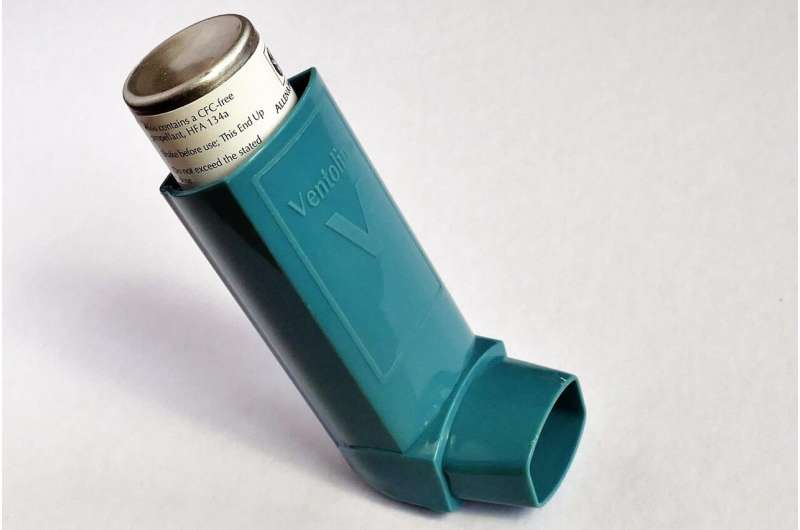
One in every 10 kids in the United States has asthma, a chronic breathing condition that can affect nearly every part of their lives. Asthma is one of the main reasons kids miss school and a leading cause of childhood hospitalization.
Research shows that a family history of asthma increases the chances that the child may develop it too. Early allergy symptoms are another possible warning flag, such as eczema or atopic dermatitis and nasal problems like stuffiness, runny nose, etc. Exposure to tobacco, vape or e-cigarette smoke, air pollution, high temperatures (or a combination of these) can also increase asthma risks in kids.
Babies and toddlers are especially vulnerable to colds and respiratory infections such as rhino/enterovirus or RSV. In a child’s early years, doctors might notice wheezing, a high-pitched whistling sound when a child breathes during illness, and treat with medications for asthma.
Respiratory infections with wheezing are another sign that a child might be at higher risk for asthma later in life. Their pediatrician will look for other signs too. The child’s doctors may use tools such as the Asthma Predictive Index (API) and/or the Pediatric Asthma Risk Score (PARS).
The API is based on a study of 1,000 children diagnosed with asthma aged 5 or below. The index suggests that children 3 years old or younger who have had four or more episodes of wheezing are likely to develop asthma if they also live with eczema—a condition that causes dry, itchy skin that may look reddish or purplish— or at least one parent has asthma. In addition, if two or more of the following factors are present, API suggests children could be at risk:
- Food allergies signaled by immediate symptoms after eating foods such as hives, swelling or vomiting
- High levels of blood eosinophils, a type of white blood cell often seen in people with allergies or eczema
- Wheezing that occurs when they are NOT sick with a colds or respiratory viruses
The PARS tool was developed using data from the Cincinnati Childhood Allergy and Air Pollution Study. Each factor gets a point of 2 if present. PARS predicts the odds that a child will develop asthma at age 7 or later based on six risk factors that include parents with asthma, eczema, early wheezing, wheezing when healthy, ancestry and allergies.
As the API and PARS show, kids with allergies face higher risks for asthma than allergy-free kids. Conditions like eczema, eosinophilic esophagitis, food allergies and nasal allergies or allergic rhinitis can develop slowly from birth, signaling a “march” toward an asthma diagnosis. This is why it’s so crucial that the child’s doctors work together to track symptoms and coordinate care.
Children with asthma may need regular medications to manage and control their breathing and prevent asthma flares. Without these medicines, they can experience dangerous asthma flare-ups that may send them to the ER and even threaten their life.
An early diagnosis can help a child’s asthma care team prescribe the medicines they will need, along with other lifestyle changes that help keep symptoms under control and decrease asthma flare-ups and injury to their lungs, and help keep them healthy and active. These medications will become part of an asthma action plan that spells out exactly what to do when asthma symptoms flare up.
2025 Tribune Content Agency, LLC.
Citation:
Can asthma be predicted? (2025, June 9)
retrieved 9 June 2025
from https://medicalxpress.com/news/2025-06-asthma.html
This document is subject to copyright. Apart from any fair dealing for the purpose of private study or research, no
part may be reproduced without the written permission. The content is provided for information purposes only.




