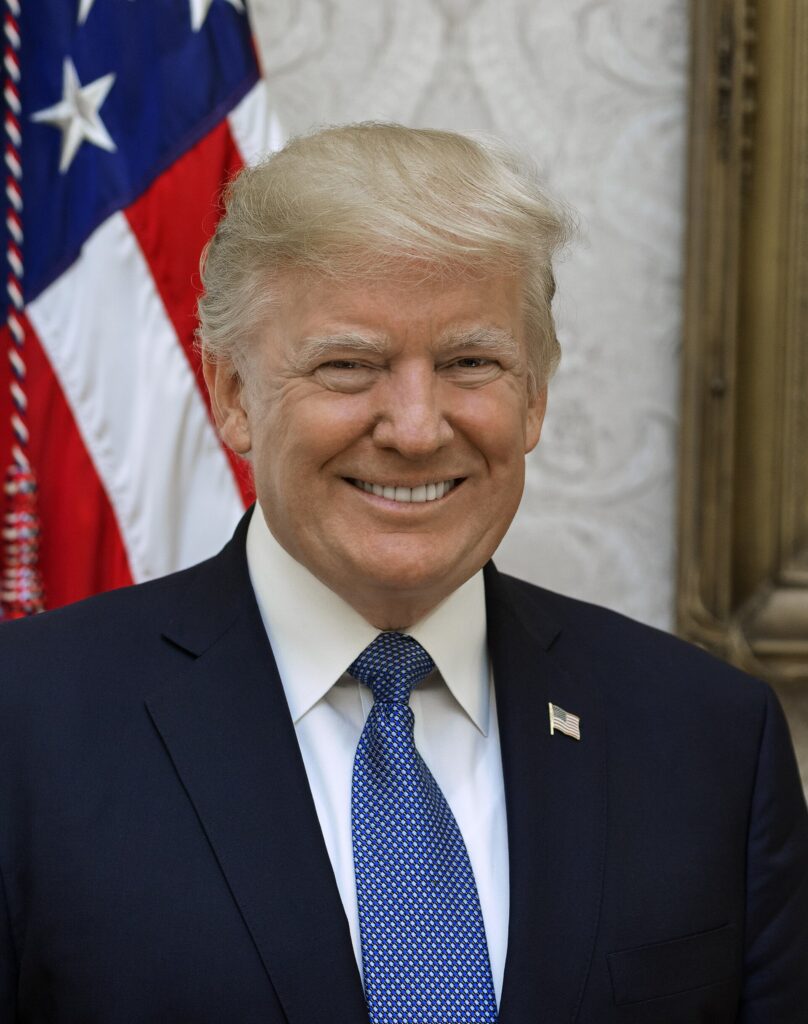
Business Insider reports that the details of President Donald Trump’s beef proposal could determine whether it produces meaningful competition for ranchers. This month, Trump said as much as 300,000 metric tons of beef could enter the US without an out-of-quota tariff during the next 90 days. He also said ranchers and farmers would be allowed to process their own meat.
Ben Spell, founder of Good Ranchers, said the proposal raises questions about how imports would affect the incentives needed to rebuild the US cattle herd. Spell started Good Ranchers with his wife in 2018 after leaving his job as a worship pastor. The company first sold meat from a refrigerated box truck in February, reached about 20 trucks by 2020, and moved entirely online by the end of 2021.
Good Ranchers says its products come from American ranchers, with most partner ranches located in Colorado, Utah, South Dakota, Montana and Wyoming, along with some in Texas and Nebraska. Spell said beef prices have risen sharply over the last five years, adding that the company has kept its own prices relatively stable but is now at a tipping point. He argued that cattle production cannot respond like a factory because rebuilding herds takes years.
Questions about imports and labeling
In his view, prices must remain strong enough for ranchers to earn money, or the incentive to expand supply could be weakened. Spell agreed that beef costs are too high for American families, but disputed that more low-cost foreign beef without transparency would provide a lasting answer. He said policymakers should make cattle production more attractive, reduce avoidable costs and barriers, and increase domestic processing capacity and competition.
Spell said the plan has not explained where imported beef would come from, how the animals were raised or fed, or what health treatments they received. He supported restoring mandatory country-of-origin labeling for beef in the United States so shoppers could identify where an animal was raised. Spell said imports have a role, but consumers should be able to choose after seeing that information on a beef package.
Processing rules and capacity
The proposal’s processing component could expand ranch-level activity, although ranchers already may use custom-exempt processors for personal or household consumption under current rules. That meat must be marked not for sale, and federal inspection is required when products move across state lines. Earlier this year, the USDA announced a processor action plan that set aside $60 million to expand independent and domestically owned processing capacity.
Spell said a broader processing network could be beneficial, while emphasizing food safety, transparency, quality and prices that families can afford. The source article is based on a conversation with Spell and was edited for length and clarity.