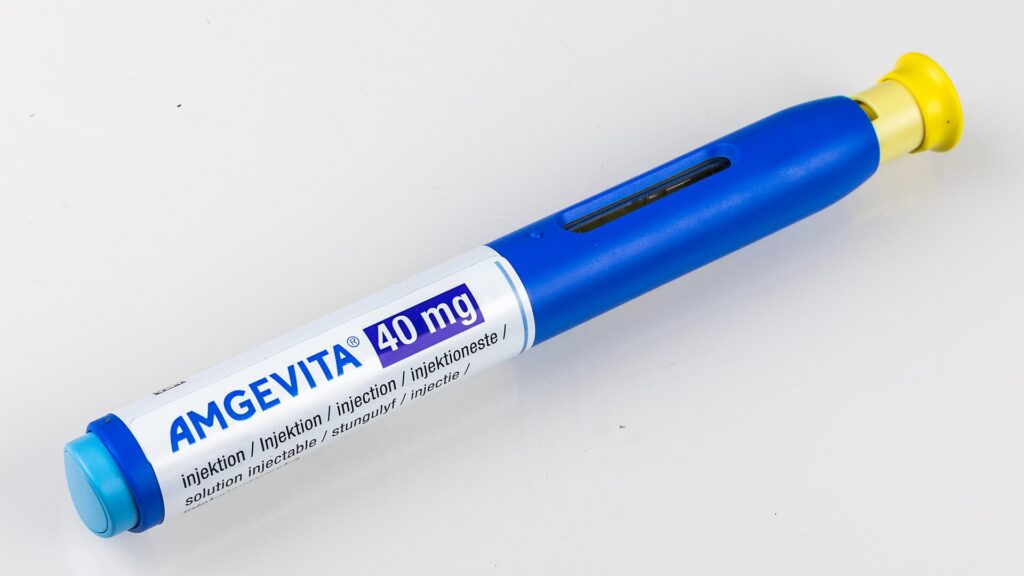
A report by STAT examines whether purchasing a drug patent application can help extend a medicine maker’s monopoly. The dispute involves Amgen and a large health insurer, with the U.S. Federal Trade Commission weighing in as the litigation develops. The question has drawn attention because drugmakers are often accused of using the U.S. patent system to keep competitors out.
In this case, the issue is more specific: whether obtaining a patent application can amount to an unfair way of preserving exclusive control over a medicine. The court fight is being watched for what it may mean for future pharmaceutical patent transactions. The litigation could bring broader scrutiny to deals involving drug patents, particularly at a time when patent strategies are sometimes cited as a way companies maintain high prices.
The U.S. Federal Trade Commission has argued that the transaction deserves attention because of antitrust concerns. Its position puts the agency on the side of payers and consumers in the dispute. The case therefore reaches beyond the companies directly involved, raising questions about how patent-related transactions may be assessed in the pharmaceutical industry.
The article identifies Amgen as a large biotechnology company and describes the opposing party as a large health insurer. It also characterizes the matter as an escalating court battle rather than a settled question. The outcome could influence whether similar patent arrangements receive closer examination.
The report was written by Ed Silverman, identified on the page as a Pharmalot Columnist and Senior Writer. Silverman’s coverage includes prescription drug pricing, affordability and access, along with patents, litigation and legislation.