

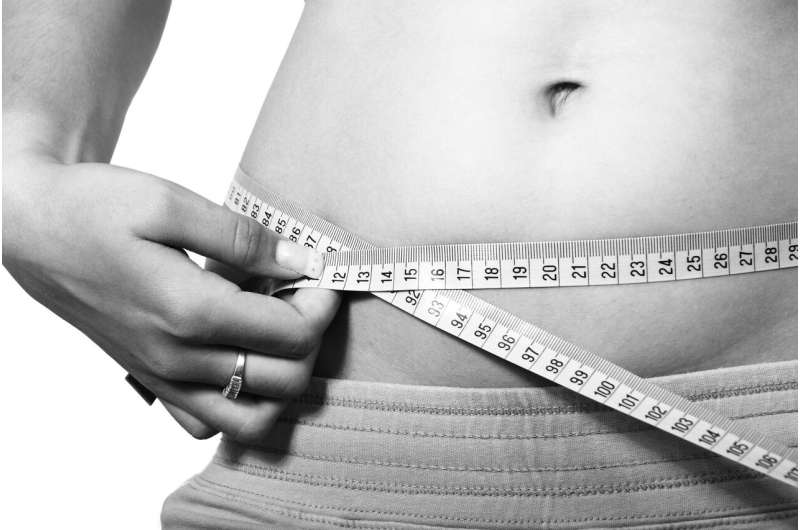
According to a recent study conducted at the University of Jyväskylä, Finland, body composition is associated with symptoms of pelvic floor disorders in middle-aged women. Larger fat mass increases the risk of stress urinary incontinence. The risk factors include larger fat mass, especially in the waist area and around visceral organs, as well as larger waist circumference and body mass index.
The prevalence of pelvic floor disorders increases as women approach their menopausal years. Estrogen deprivation, natural aging of tissues, reproductive history, and factors increasing intra-abdominal pressure may lead to structural and functional failure in the pelvic floor.
In addition, lifestyle choices such as eating behavior and physical activity may have an effect on the mechanisms of pelvic floor disorders. Body composition partly reflects lifestyle choices and can therefore be considered a modifiable factor that reveals a woman’s risk of experiencing symptoms of pelvic floor disorders.
“Previous studies have mainly utilized body mass index or waist circumference when evaluating the risk for pelvic floor disorders,” says Doctoral Researcher Mari Kuutti from the Faculty of Sport and Health Sciences at the University of Jyväskylä. “The purpose of our study was to explain how the body composition—which was measured using precise methods—is associated with the symptoms during the four-year follow-up.”
The disorders studied were stress urinary incontinence, urgency urinary incontinence, fecal incontinence, and pelvic organ prolapse. The work is published in the journal Menopause.
Over half of the women had symptoms of pelvic floor disorders
At the baseline, over half of the participating women had some type of symptoms of pelvic floor disorder. The most common were the symptoms of stress urinary incontinence. The study showed that body composition is associated with the presence of the symptoms of pelvic floor disorders.
“We studied body adiposity, measured waist circumferences of the participants, and calculated body mass index,” Kuutti says. “Then we analyzed the associations of these factors with the symptoms of pelvic floor disorders.”
The results showed that total fat mass, android fat mass, gynoid fat mass, and trunk fat mass as well as visceral fat area were associated with the symptoms of stress urinary incontinence. Similarly, larger body mass index and waist circumference were associated with the symptoms of stress urinary incontinence.
Changes in body composition during the four-year follow-up were not associated with changes in the symptoms of pelvic floor disorders.
“The association of body composition with the symptoms of pelvic floor disorders was found in cross-sectional analysis. In other words, we showed that the present body composition is associated with the present symptoms.”
The study is part of the larger ERMA study and its four-year follow-up study EsmiRs. The participants included 376 women living in the Jyväskylä region. They were from 47 to 55 years old at the baseline. Body composition was measured with a multifrequency bioelectrical impedance analyzer, X-ray absorptiometry, and anthropometry.
Demographical factors (age, education, physical workload and physical activity) and gynecological factors (gestations, parity, menopausal status, and hysterectomy status) were self-reported with questionnaires.
More information:
Mari A. Kuutti et al, Association of body composition with the symptoms of pelvic floor disorders in middle-aged women: a longitudinal study, Menopause (2025). DOI: 10.1097/GME.0000000000002572
Citation:
Central adiposity increases the risk for urinary incontinence, finds study (2025, June 19)
retrieved 19 June 2025
from https://medicalxpress.com/news/2025-06-central-adiposity-urinary-incontinence.html
This document is subject to copyright. Apart from any fair dealing for the purpose of private study or research, no
part may be reproduced without the written permission. The content is provided for information purposes only.




