

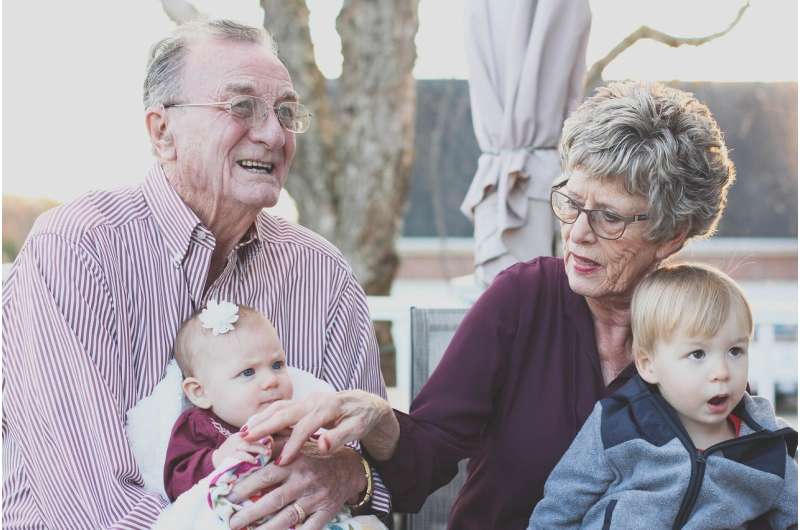
Many experts believe that social isolation is a risk factor for Alzheimer’s disease. But a new study, led by UC San Francisco and Boston University, examined the social habits and genetic data of half a million Britons whose average age was 56, and found that the disease may make them more sociable rather than less—at least in the early stages.
The data from UK Biobank showed that people with a higher genetic risk for Alzheimer’s reported less isolation, participation in a wider range of social activities and happier family relationships.
No differences were found between higher-risk and lower-risk individuals in measuring loneliness, friendship quality and emotional support.
The study shows that, at its earliest stage, Alzheimer’s doesn’t make people less socially engaged. “Their social lives may even expand,” said co-senior author Kotwal.
“We don’t know for sure if they are engaging more with others, or if those around them are noticing subtle changes and giving them more support.”
Social connectedness is believed to delay or reduce the risk of Alzheimer’s by promoting cognitive reserve, the brain’s ability to maintain normal function despite aging or dementia.
UCSF research has shown that other non-genetic factors influencing Alzheimer’s are physical inactivity, uncontrolled diabetes and high blood pressure, poor sleep, depression, current smoking and certain medications. Experts believe that 30% of Alzheimer’s may be attributed to these modifiable risks.
Citation:
Could a busier social life be a very early sign of Alzheimer’s? (2025, June 18)
retrieved 18 June 2025
from https://medicalxpress.com/news/2025-06-busier-social-life-early-alzheimer.html
This document is subject to copyright. Apart from any fair dealing for the purpose of private study or research, no
part may be reproduced without the written permission. The content is provided for information purposes only.




