

Image source: Unilever plc
FTSE 100 stock Unilever (LSE: ULVR) has been a core holding in Terry Smith’s equity fund Fundsmith for a long time. Smith originally invested in the consumer goods company back in late 2010 when his fund launched so he has very much been a long-term investor here.
However, the latest Fundsmith factsheet (for April) shows that Unilever has recently been sold. So, why might Smith have sold it? And should investors consider following the star fund manager and offloading the stock?
A dodgy deal?
In terms of why Smith may have sold the Footsie stock, I see a few potential reasons.
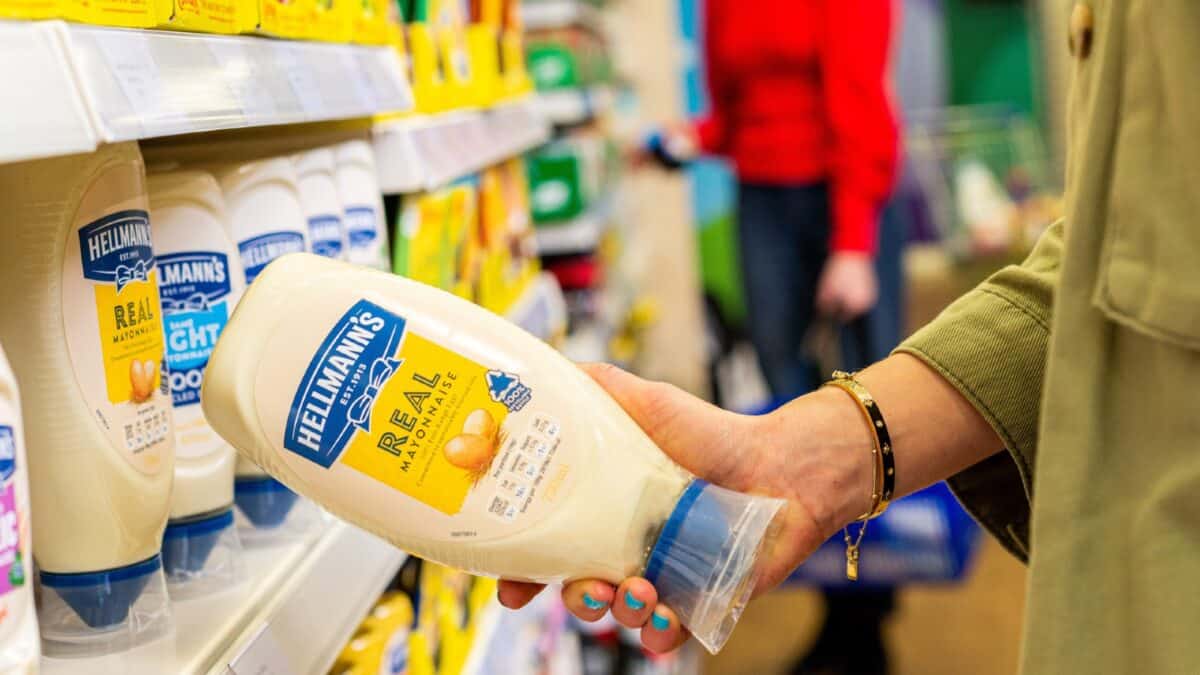
First, we have the recently announced ‘mega-merger’ between McCormick and Unilever’s food business (Knorr, Hellmann’s, etc). This has created some uncertainty.
This deal is quite complex – Unilever shareholders will own 55.1% of the combined entity, while Unilever will get 9.9%, and McCormick shareholders 35%. And there are some concerns around the transaction’s structure, long path to closing (it’s not expected to close until mid-2027), antitrust risks, and integration risks.
It’s worth pointing out that when the deal was announced in late March, Unilever shares fell sharply. The market’s reaction suggests that investors weren’t impressed (note that large-scale M&A in the consumer goods industry generally hasn’t worked well in the recent past).
One other thing worth noting here is that ratings agency S&P Global revised its outlook for Unilever to ‘negative’ upon news of the deal. It cited reduced headroom stemming from lower scale and diversity of operations if the deal closes.
Oil price uncertainty
Another reason could be oil prices. Ultimately, consumer goods companies are quite vulnerable to higher oil prices.
Not only are a lot of Unilever’s home care products (Domestos, OMO, etc) petrochemical-based, but a lot of its packaging is based on petroleum derivatives.
On top of this, there are transportation costs. So, Unilever will need to find ways to manage these increased costs.
A new long-term risk
Taking a longer-term view, one other risk that has emerged is potential economic weakness in India (a key growth market for the company). Amid the rise of powerful new AI tools like Anthropic, parts of India’s workforce are starting to see material job layoffs.
If this trend continues, it could hit middle class spending in India. This could lead to reduced demand for Unilever’s brands.
Time to consider selling?
Is it time to consider getting out of Unilever shares given all these risks? That’s hard to say.
Obviously, the investment case isn’t as clear as it used to be. But there are still things to like here.
For example, we have a company with a whole portfolio of trusted brands that is relatively recession-resistant. We also have a good CEO at the helm in Fernando Fernandez (he’s been at the company since 1988 and was previously CFO).
Additionally, there’s a decent dividend yield on offer at the moment. It’s currently near 4%.
Personally, I think long-term investors should consider holding on to the shares. In the near term, however, other stocks may offer better returns.
Source link




