

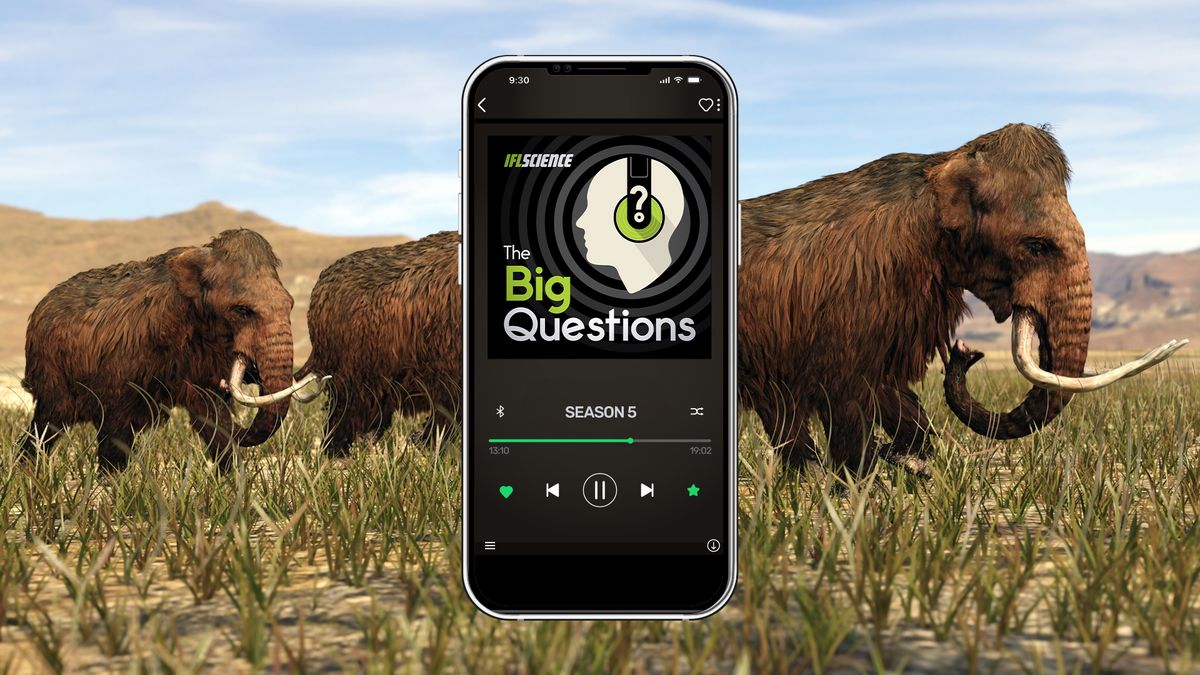
De-extinction. It’s not a word many of us were thinking about just a decade ago, but it’s one that we’re getting ever more familiar with. The de-extinction company Colossal Biosciences has set its sights on de-extincting five key species whose extinction is thought to have either been caused, or heavily contributed to, by humans: the woolly mammoth, thylacine, dodo, moa, and dire wolf.
The rest of this article is behind a paywall. Please sign in or subscribe to access the full content.
By their definition of “functional de-extinction,” they’ve already brought back the dire wolf, and have set a goal to see a living, breathing mammoth by 2028, but what do they mean by de-extinction, and what can it realistically achieve?
In this episode of The Big Questions, host Rachael Funnell goes on a deep dive into de-extinction, speaking with Colossal’s co-founder Ben Lamm, chief science officer Beth Shapiro, and chief animal officer Matt James. We also hear from historian Professor Sadiah Qureshi, author of Vanished: An Unnatural History Of Extinction, who raises some interesting questions we should all be asking ourselves as this curious new branch of science marches on – both in its efforts to bring back creatures from the past, and to prevent further extinctions in the future.
You can listen to this episode and subscribe to the podcast on all your favorite podcast apps: Apple Podcasts, Spotify, Podbean, Amazon Music, and more.




